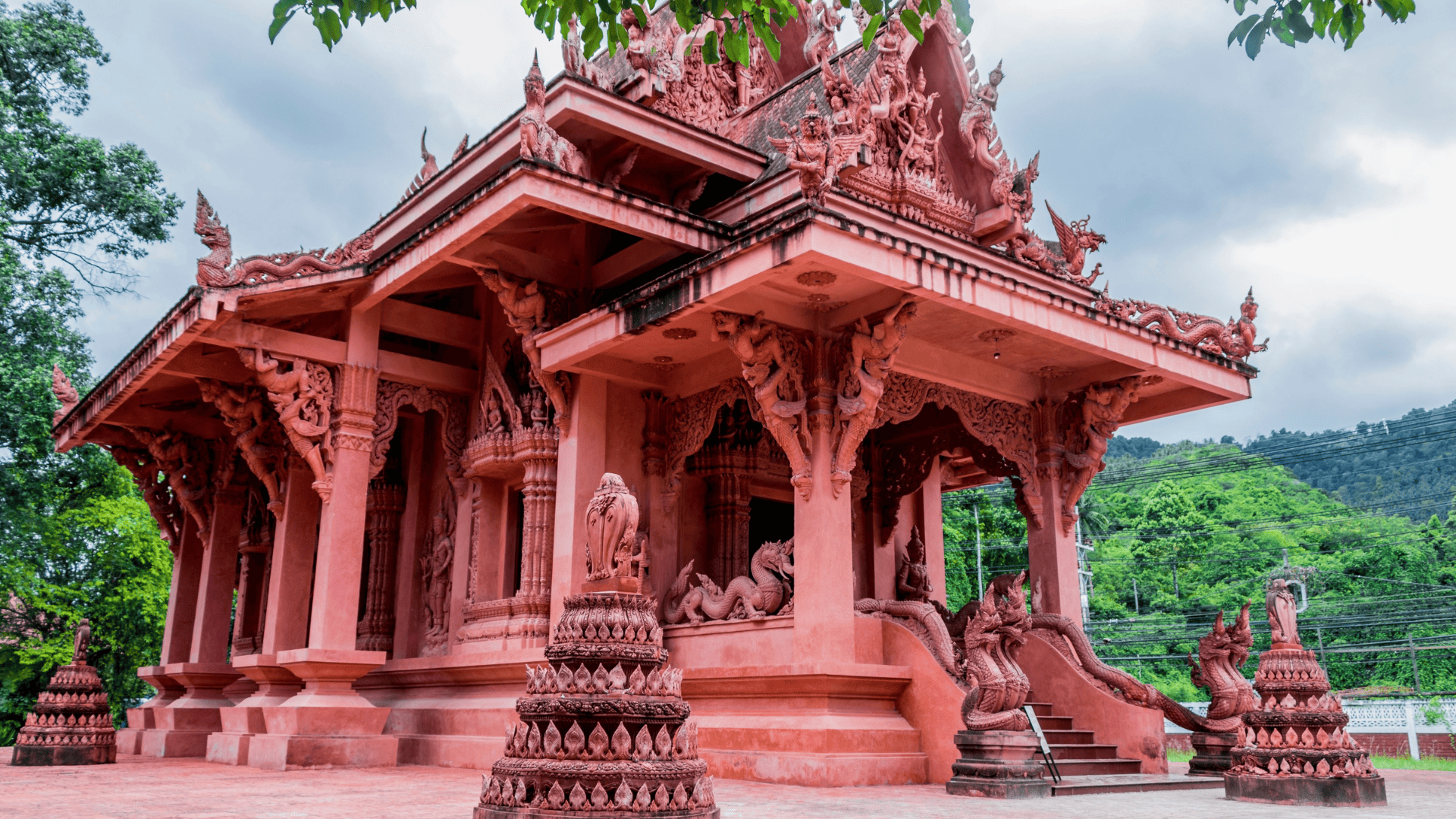
In addition to Koh Samui’s natural attractions, the island also offers a peek into its cultural and historical roots. With a Buddhist majority, Thailand has countless temples across the country, including Koh Samui. Koh Samui’s Red Temple, also known as Wat Sila Ngu and Wat Ratchathammaram, is one of the island’s most visually striking cultural attractions.
With its famous Naga staircase, red prayer hall, and oceanfront meditation area, Wat Sila Ngu in Koh Samui offers visitors a chance to experience local culture, art, and traditions.
In this guide, we’ll cover everything you need to know before going to this historical attraction: what to do, how to get there, temple etiquette, best times to visit, and nearby stops.
What is the Red Temple Koh Samui?
The Red Temple, locally known as Wat Sila Ngu or Wat Ratchathammaram, is a Buddhist temple in Koh Samui. The name Wat Sila Ngu translates directly as "Stone Snake Temple," in reference to its serpent and naga imagery. Additionally, its carved red exterior and calm coastal setting are unique features that set it apart from other temples.
It's a beautiful spot to admire traditional Thai architecture, capture memorable photos, and learn more about the island's Buddhist heritage. Nevertheless, beyond its Instagram-worthy appearance, the temple remains an active place of worship where locals come to pray and make merit.
Why Red Temple Koh Samui is Worth Visiting
Koh Samui’s Red Temple adds a cultural dimension to your trip, as most of the island’s highlights are nature-focused. Checking out Wat Sila Ngu will add variety to your itinerary, offering a chance to learn about local architecture and beliefs in a peaceful atmosphere.
Some features to take note of:
- Naga forms: In Thai and Buddhist mythology, the Naga is a powerful, serpent-like creature symbolising wisdom, strength, and protection. Often depicted with multiple heads, Nagas are believed to guard sacred treasures and protect the Buddha and his teachings.
- Carved walls: Intricate carvings and murals throughout the temple depict the Buddha’s life and teachings, including Jataka tales of his past lives, Buddhist principles, and stories of revered monks.
- Symbolic patterns: The walls contain artworks rich in Buddhist symbolism, with lotus flowers representing purity and the Bodhi tree symbolising enlightenment, offering visitors a deeper appreciation of Buddhist beliefs and traditions.
What to do at the Red Temple Koh Samui
- Walk up the Naga staircase
One of the temple’s most striking features is its grand staircase, flanked by two intricately carved Naga serpents. In Thai Buddhist tradition, Nagas are seen as protectors of Buddhism and symbols of wisdom and transformation. As the staircase leads up to the main prayer hall, it creates a sense of spiritual journey while allowing visitors to appreciate the craftsmanship and religious symbolism woven into the temple’s design.
- Visit the Main Temple
Step inside the main temple building to discover intricate murals, ornate decorations, and a peaceful spiritual atmosphere. At its heart stands a large golden Buddha statue in the Subduing Mara posture, symbolising the Buddha’s enlightenment. Surrounding carvings and murals illustrate Buddhist teachings and significant moments from the Buddha’s life.
- Pay respects to the Buddha shrine
Pay your respects at the Buddha shrine, where visitors can offer prayers, flowers, incense, or a small donation while experiencing the temple’s peaceful atmosphere.
- Relax at the oceanfront meditation area
Wat Ratchathammaram also offers a peaceful meditation area overlooking the sea, where visitors can enjoy scenic coastal views and a tranquil atmosphere. Away from the crowds, it's an ideal spot for quiet reflection, prayer, or simply appreciating the island's natural beauty.
- Watch a local ceremony
As an active place of worship, Wat Ratchathammaram welcomes locals who come to pray, make merit, and participate in Buddhist ceremonies. Visiting during a religious festival or merit-making day offers a chance to experience these traditions firsthand. Visitors are welcome to observe respectfully, join appropriate activities, and follow local guidance around sacred or restricted areas.
How to get to the Red Temple Koh Samui
Maps location search: Red Temple Koh Samui, Wat Sila Ngu, or Wat Ratchathammaram.
Travel options
- Taxi/private driver: Most convenient option; prices may vary depending on circumstances.
- Rental car: More freedom in moving to different locations; make to prepare a driving license, and consider studying the route and planning parking.
- Scooter: Fastest option; however, it may limit baggage volume. Make sure to wear a helmet and grab on tight for your safety.
Distance
- 5 minutes from Lamai Beach.
- 25 minutes from Chaweng Beach.
- 40 minutes from Samui International Airport.
Visitor Guidelines for the Red Temple Koh Samui
As Wat Ratchathammaram is an active place of worship, visitors should respect local Buddhist customs and follow these simple guidelines:
- Dress modestly: Cover your shoulders and knees, and bring a scarf or cover-up if visiting from the beach.
- Remove your shoes: Take off your shoes before entering temple halls or areas where required.
- Keep noise levels low: Speak quietly and avoid disturbing monks or worshippers during prayers and ceremonies.
- Be mindful when taking photos: Avoid photographing monks, worshippers, or religious ceremonies without permission.
- Respect sacred objects: Refrain from touching Buddha statues, carvings, or other religious objects.
Following these guidelines helps preserve the temple's peaceful atmosphere while allowing visitors to appreciate its cultural and spiritual significance.
Best time to visit the Red Temple Koh Samui
The best times to visit Wat Ratchathammaram are
- Early morning: For cooler weather, fewer crowds, and a cooler atmosphere.
- Late afternoon: For a softer light on the red sandstone, making the structure appear as if it's glowing.
Nearby places to visit with the Red Temple Koh Samui
A visit to the Red Temple is easy to combine with other nearby attractions for a relaxing half-day trip around southern Koh Samui. From beautiful beaches to scenic viewpoints and waterfalls, here are a few places worth adding to your itinerary:
- Lamai Beach (5–10 minutes): Relax on the sandy beach, take a refreshing swim, or enjoy a meal at one of the nearby beachfront restaurants.
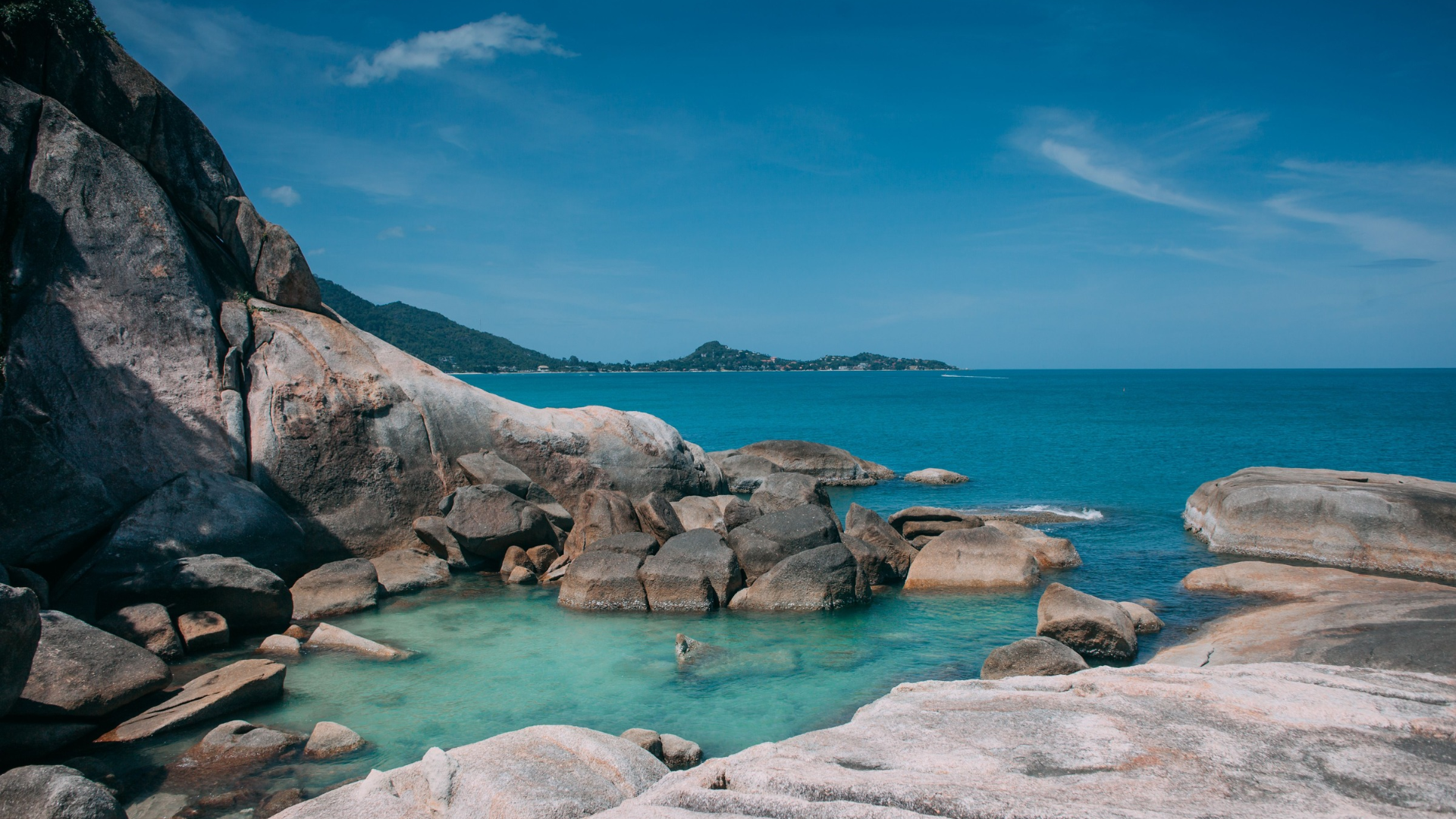
- Grandfather and Grandmother Rocks (5 minutes): Discover Koh Samui's famous natural rock formations and capture memorable photos along the coastline.
- Overlap Stone (10 minutes): Head uphill to admire a unique balancing rock formation and panoramic views of the island.
- Na Muang Waterfalls (20 minutes): Escape into the tropical jungle to discover beautiful waterfalls and natural pools surrounded by lush greenery.
Travel times are approximate from the Red Temple by car and may vary depending on traffic, road conditions, and the exact destination.
Where 79 Beach Club fits into your Red Temple Koh Samui day
After a morning exploring the Red Temple and nearby attractions, why not end your day with some well-deserved relaxation by the beach?
Start your morning admiring the temple's intricate architecture and Buddhist heritage, then head to the nearby Grandfather and Grandmother Rocks for some coastal sightseeing and photos. As the afternoon winds down, make your way to 79 Beach Club on Bangrak Beach, where you can unwind with refreshing sunset cocktails, delicious seafood, and dinner overlooking the sea.
It's a lovely way to balance a day of cultural sightseeing with Koh Samui's laid-back beach lifestyle.